 TrailWise
How to Start the Munros Without Wasting Your First Trip North
Scotland's 282 Munros demand a different approach from any English fell list. Here's what to know before your first drive north, and which peaks to start with.
Published
8th June, 2026
Tags
2
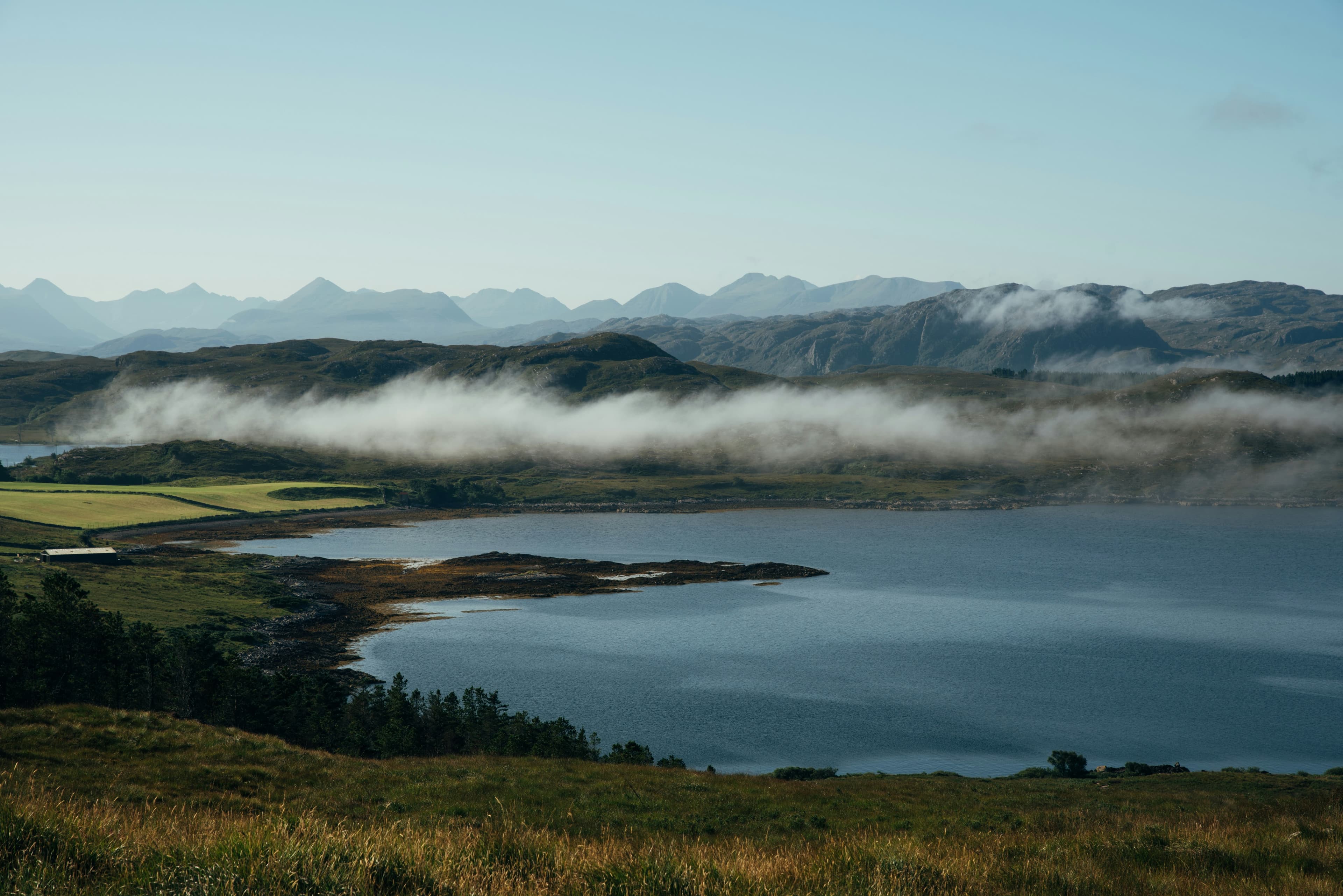
The drive alone takes commitment. Most walkers heading up from England log three hundred miles before they even see a Munro on the skyline. That distance is part of the deal, and it shapes how you should plan.
Don't start with Ben Nevis
The instinct is understandable. Ben Nevis is the highest point in Britain, it's famous, and ticking it first feels logical. But the Mountain Track from Glen Nevis is one of the most heavily trafficked paths in the country, the summit plateau is often buried in cloud well before you reach it, and the top is a rocky lunar expanse that rarely delivers the views people drive six hours to see. Save it for a day when you can be confident of a clear summit.
Ben Lomond is a far better introduction. It sits at the southern edge of the Highlands overlooking Loch Lomond, the south ridge ascent is direct and well-maintained, and on a clear day the summit gives you a proper first look at the Highlands stretching north. The logistics are easy: an hour from Glasgow, a car park at Rowardennan, a path that doesn't require serious navigation experience.
What makes these hills different
The Munro threshold is 3,000 feet (914 metres), a line drawn by Sir Hugh Munro in 1891 when he catalogued 282 separate summits across Scotland. The number has shifted slightly over the years as individual peaks were reclassified, but the character of the list hasn't changed: every summit is genuinely mountainous. You're not walking a high moorland path or following a tourist track. You're committing to real mountain terrain with real weather.
Scottish mountain weather moves faster and hits harder than anything in the Lake District. A summit that is calm at 9am can be in cloud and driving wind by noon. Early starts matter more here than anywhere else in Britain. So does proper waterproofing, not showerproofing.
The midges are also real. Between June and August, calm damp mornings in sheltered glens can be miserable without repellent or a head net. The breezy ridges above 600 metres are mostly fine, but descents into wooded glens at dusk are not.
Planning your first Munro weekend
The Cairngorms are arguably the finest mountain environment in Britain, but they reward experience. The plateau is vast, navigation demands map and compass in poor visibility, and distances are genuinely long. Save the Cairngorms for your second or third trip north.
Glen Coe gives you drama and variety within a small geographical footprint. Beinn a'Chrulaiste, directly across from the ski centre, is an approachable first-day objective with panoramic views down the valley. The peaks on the south side of the glen are more serious, and the Aonach Eagach ridge is a committing scramble for a different visit entirely.
The Ben Lawers range above Loch Tay is worth knowing about. Seven Munros sit close together on a compact massif, accessible from a National Trust car park already at around 500 metres altitude. In good summer conditions you can link three or four in a long day, which makes it excellent return for the drive.
Tracking your progress
With 282 summits spread across the width of Scotland, the list becomes hard to hold in your head quickly. TrailWise tracks your Munro progress alongside any other UK fell list you're working through, linking completed summits to the GPS activity you recorded on the day. You can see your completion percentage across each list and revisit which specific peaks you've bagged, so when someone asks which ones you've done, you have an actual answer.
The slow list
Most Munro completers take somewhere between fifteen and twenty-five years to finish the round. That's not a discouragement. That's the shape of the thing. A handful of peaks per trip, spread across seasons and decades of Scottish drives, becomes something richer than a checklist. The list becomes the reason to keep going north.