 TrailWise
Pack Smarter, Walk Further: A Practical Guide to Managing Your Gear Weight
Your gear can make or break a day on the hills. Learn how to track, trim, and organise your pack weight so every trip feels lighter and more enjoyable.
Published
18th May, 2026
Tags
1
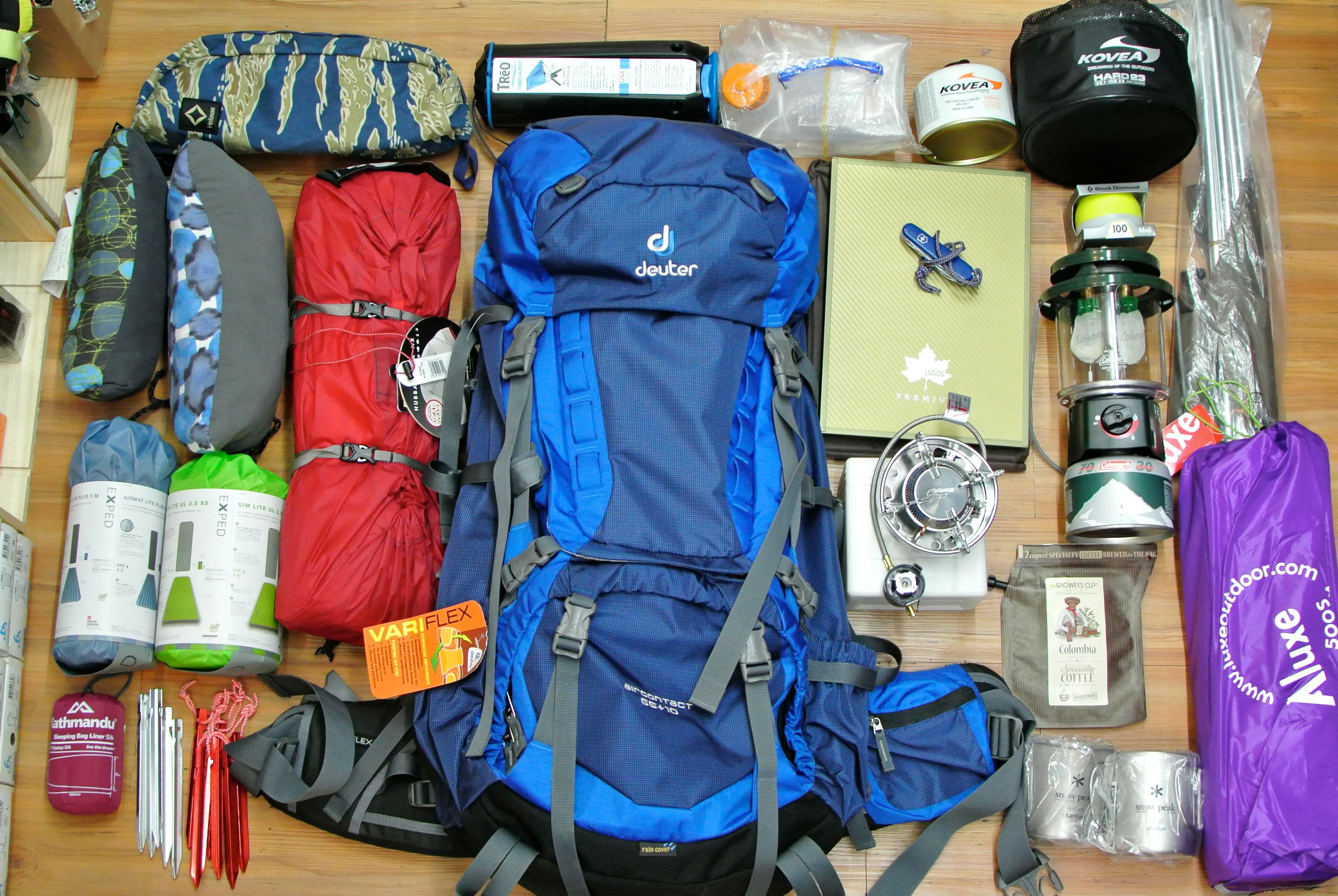
There's a moment on every long walk where you start to feel the weight on your shoulders. Maybe it's the third hour of a ridge traverse, or the steep pull up to a summit when your legs are already tired. Whatever it is, the thought creeps in: do I really need everything in this bag?
The answer, more often than not, is no. Most of us carry more than we need to, and the extra weight adds up fast. A few hundred grams here, an "I might use it" item there, and suddenly your pack is two or three kilograms heavier than it needs to be. Over the course of a full day in the hills, that matters.
The good news? Getting your pack weight under control isn't about spending a fortune on ultralight gear or going without essentials. It's about knowing what you carry, understanding what you actually use, and building better habits over time.
Why pack weight deserves your attention
If you've ever looked at your GPS data after a tough day and wondered why you felt more drained than the distance suggested, your pack is probably part of the story. A general rule of thumb is that your loaded pack shouldn't exceed 20% of your body weight for a day hike, or around 25% for an overnight trip. Go much beyond that and you'll feel it in your knees, your pace, and your enjoyment.
But here's the thing: most people have no idea what their pack actually weighs. They throw in their kit, zip it up, and head out the door. That's fine for a short afternoon stroll, but once you're tackling longer routes, multi-day trips, or anything involving significant elevation, knowing your numbers makes a real difference.
Start by knowing what you carry
The first step is the simplest one: lay everything out and weigh it. Every item. Your waterproof, your flask, your first aid kit, your spare socks. When you see the numbers next to each item, patterns emerge quickly. That "light" extra layer might weigh 400g. The "just in case" toolkit could be pushing 600g. It all stacks up.
This is exactly why we built gear tracking into Trailwise. You can log every piece of kit you own, record its weight, and then build gear lists tailored to specific trips. Heading out for a summer day hike? Pull from your lightweight list. Planning an overnight wild camp in autumn? Switch to the list that includes your bivvy, stove, and warmer layers. Having your gear catalogued means you're never guessing, and you can see your total pack weight before you leave the house.
The three-pile method
Here's a trick that experienced backpackers swear by. After every trip, empty your pack and sort everything into three piles: things you used a lot, things you used once or twice, and things you never touched. That third pile is where the savings are. Be honest with yourself about whether each item earned its place in your pack. If it didn't, leave it at home next time.
Over a few trips, this review process will tighten up your kit list dramatically. And if you're tracking your gear in Trailwise, you can keep notes against each trip about what worked and what didn't, so you're building a personal record of lessons learned rather than relying on memory.
Focus on the big four first
If you're looking to cut weight, start with the items that weigh the most: your pack, tent or shelter, sleeping bag, and sleeping pad. These four items often account for more than half your base weight. Getting each of them a few hundred grams lighter can save you over a kilogram without changing anything else about how you pack.
You don't have to replace everything at once, either. Upgrading one item per season is a sensible approach. Track the weight of your current gear in Trailwise, identify the heaviest items, and research lighter alternatives when the time comes. Over a year or two, the cumulative savings can be significant.
Match your gear to the route
One of the most common mistakes is packing the same kit regardless of where you're going. A sheltered valley walk in summer demands very different gear to an exposed ridge walk in spring. When you plan a route in Trailwise, you can see the difficulty rating and elevation profile before you go. Use that information to make smarter packing decisions. A route with 800m of ascent on exposed terrain calls for proper layering and navigation tools. A gentle 10km loop through woodland probably doesn't need full waterproof trousers and an emergency shelter.
Pairing your gear list with your route plan is where things start to click. You stop packing "just in case" and start packing with intention.
Share what works
Gear conversations are some of the best in the outdoor community. Everyone has opinions, and there's always something to learn from how other people approach the same problem. On Trailwise, you can share your gear lists with friends and other users, which is a great way to discover items you haven't considered or spot where someone else has found a lighter option for the same job.
If you're part of a walking group, this is especially useful for trip planning. Everyone can see the shared gear list, split communal items like stoves and shelters, and make sure nothing essential gets forgotten.
Small swaps, big difference
Beyond the big four, there are plenty of small changes that add up. Decanting toiletries into travel-sized containers, carrying a lightweight sit pad instead of a full foam mat for breaks, choosing a titanium mug over a steel one, or swapping a heavy Nalgene for a collapsible water bottle that weighs almost nothing when empty. None of these changes feel dramatic on their own, but together they can shave a meaningful amount off your total.
Get started today
If you haven't thought much about your pack weight before, this is a great time to start. Summer is on the doorstep, and whether you're planning a weekend wild camp or a day ticking off a few more fells, a lighter pack means more energy, less strain, and a better time on the trail.
Trailwise makes it easy to get going. The gear tracking feature is available on the free tier, so you can start cataloguing your kit right now. Log your items, build a list for your next trip, and see what your pack actually weighs. You might be surprised.
Ready to pack smarter? Sign up for free on the web, or download the app on iOS or Android and start building your gear list before your next adventure.