 TrailWise
Walking Solo? How to Stay Safe and Connected in the Hills
Heading into the hills on your own is one of the best things you can do. But walking solo takes a bit more thought around safety. Here's how to stay connected and confident, even when the signal drops.
Published
27th May, 2026
Tags
2
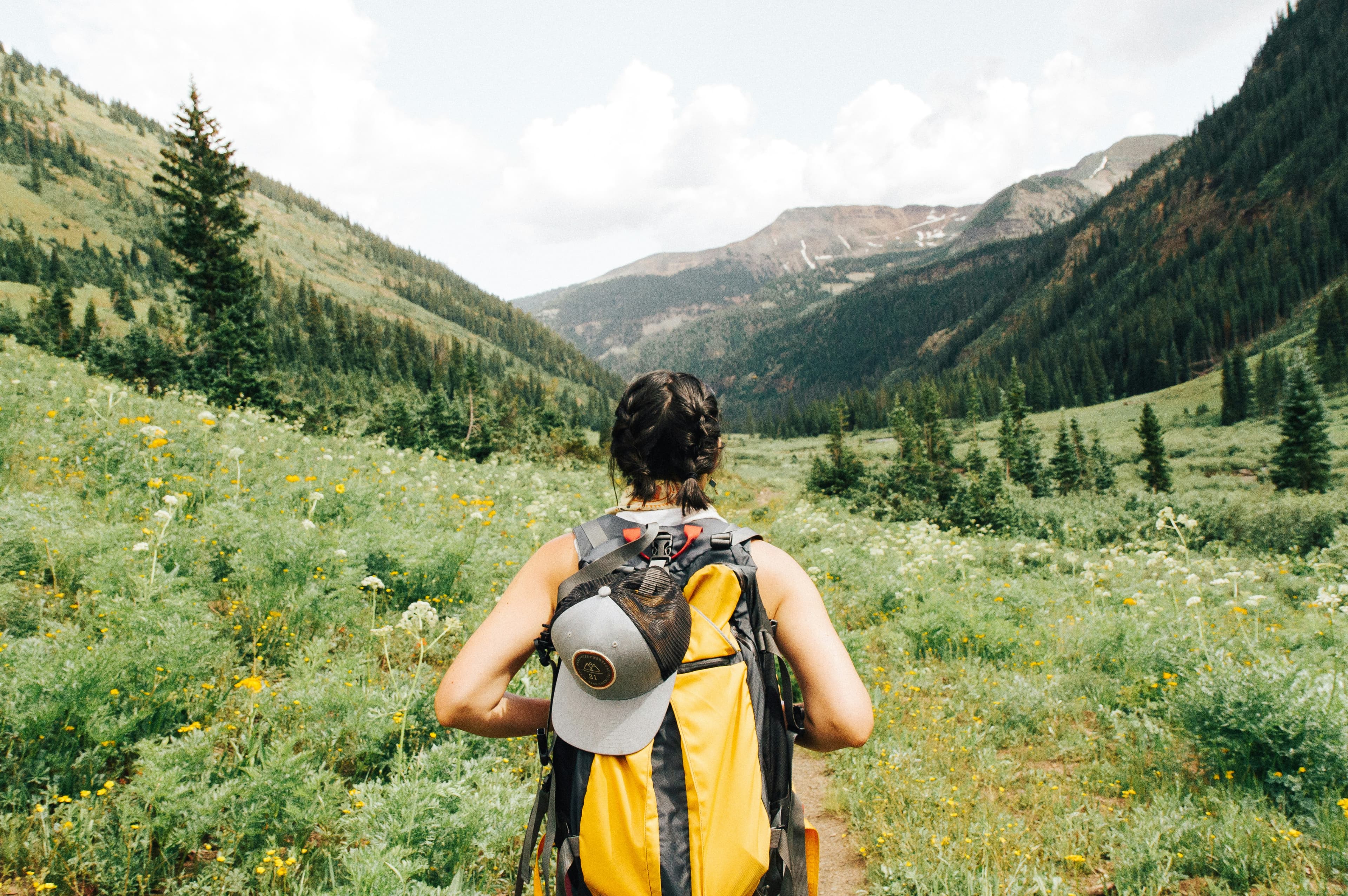
There's something about walking alone in the hills that nothing else quite matches. No compromise on pace. No negotiating the route. Just you, the terrain, and whatever the weather decides to throw at you. Solo walking is where a lot of people find their best thinking happens, and it's how plenty of fell walkers rack up their biggest mileage.
But walking on your own does come with extra responsibility. When there's nobody else to raise the alarm if something goes wrong, you need to be a bit more deliberate about planning, navigation, and letting people know where you are. The good news is that none of this has to be complicated. A few smart habits and the right tools make solo walking safer without taking the edge off the experience.
Tell someone where you're going
This is the most basic piece of safety advice and the one that still gets skipped the most. Before you head out, someone at home should know your planned route, where you're parking, and roughly when you expect to be back. If you change your plan on the hill, let them know if you can.
Trailwise makes this easier with live location sharing. Once you start tracking a walk, you can share a live link with a friend or family member so they can see exactly where you are on the hill in real time. It's a simple feature, but it gives both you and the person at home real peace of mind. If you're overdue or off-route, they'll know straight away rather than waiting and worrying.
Know your route before you leave the car
Solo walkers don't have the luxury of turning to someone and saying "does this look right to you?" If you take a wrong turn, you're the one who has to figure it out. That makes route planning and preparation even more important when you're on your own.
In Trailwise, you can plan your route in advance and check the difficulty rating before you commit. This is particularly useful when you're heading somewhere new. A route that looks straightforward on the map might involve a scramble or a steep descent that you'd rather know about before you're standing at the top of it. Once you're happy with the route, download your maps for offline use so you have full navigation available even when the signal disappears.
If a friend has already walked the route and shared a GPX file, you can import that straight into the app and follow their exact track. It's like having a guide without needing to match someone else's schedule.
Navigate with confidence, not guesswork
Getting lost is uncomfortable at the best of times. Getting lost alone, in cloud, on an unfamiliar ridge is a different thing entirely. Good navigation is a non-negotiable skill for solo walkers, and your tools should support that rather than complicate it.
Trailwise's live GPS tracking gives you real-time elevation data as you move, so you always know where you are on the hill and how much ascent is left. This is genuinely useful in poor visibility when the summit feels like it should be close but you can't see it. And because you've already downloaded the map for offline use, a signal drop doesn't leave you staring at a blank screen.
That said, always carry a paper map and compass as a backup. Phones run out of battery, screens crack, and technology has a habit of failing at the worst possible moment. Digital tools are brilliant for making navigation easier, but they shouldn't be your only option.
Be honest about your limits
When you walk with other people, there's a natural check on overambition. Someone will say "that looks a bit sketchy" or "maybe we should turn back." Walking solo, you're the only voice in that conversation. It's easy to push through when you probably shouldn't, or to take on a route that's a step beyond your experience level.
Route difficulty ratings in Trailwise can help here. They give you an objective sense of what a route involves before you set off, so you're not relying on a vague memory of someone online saying it was "fine." If you're building up your solo confidence, start with routes you've done before in a group, or pick easier graded walks and work your way up gradually.
Your activity timeline in the app is useful for this too. Looking back at what you've done recently helps you gauge whether you're ready for the next step up, or whether you'd benefit from a few more comfortable walks first.
Solo doesn't have to mean isolated
One of the misconceptions about solo walking is that it means cutting yourself off from everyone. In practice, plenty of solo walkers are very social about it. They share their routes, post their trip summaries, and swap tips with others who walk the same hills.
Trailwise has groups and social sharing built in, so you can share your walks and gear lists with friends even when you're not walking together. It's a good way to stay connected with a walking community while still enjoying the solitude of going at your own pace. You can also export your routes as GPX files and share them with anyone, whether they use Trailwise or not.
A quick solo safety checklist
Before every solo walk, run through these basics:
Check the weather forecast and be prepared to change your plans if conditions look poor
Share your route and expected return time with someone who isn't on the hill
Download your offline maps before you leave home
Carry a charged phone, a power bank, and a paper map and compass
Turn on live location sharing so someone can track your progress
Pack a first aid kit, a head torch, and enough food and water for longer than you think you'll need
Know the number for Mountain Rescue (call 999, ask for Police, then Mountain Rescue)
Get out there
Solo walking isn't about taking unnecessary risks. It's about being prepared enough that you can enjoy the freedom of it. With a solid plan, the right tools, and a few sensible habits, there's no reason not to head into the hills on your own this summer.
Trailwise is free to get started, and gives you route planning, GPS tracking, and live location sharing right out of the box. For offline maps, difficulty ratings, and the full set of features, it's just 99p a month.
Sign up at trailwise.io/register, or download the app on iOS or Android.
The hills are always better when you know someone's got your back.