 TrailWise
How to Make the Most of Long Summer Evenings on the Hill
The longest days of the year are made for evening walks. Here's how to plan an after-work hill walk that catches the best light and ends safely.
Published
23rd June, 2026
Tags
3
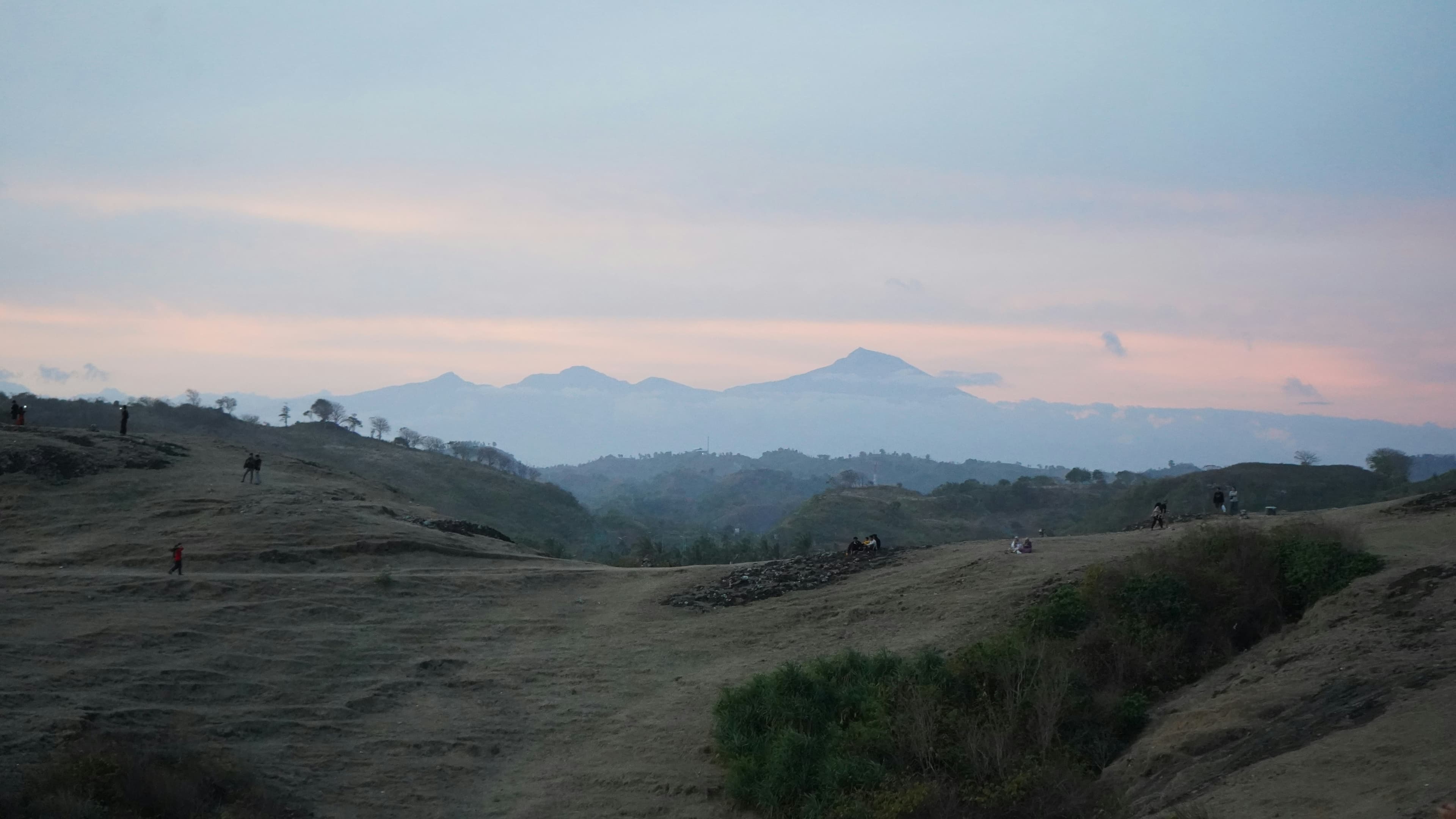
By the third week of June the sun does not set over the Lake District until well after nine, and the last colour hangs in the sky past ten. That long tail of light is the most underused window in the British walking year. Most of us still treat the hills as a morning job, squeezed in before the day fills up, when some of the best hours are waiting at the other end of it.
After the crowds have gone home
Popular summits in high summer can feel like a slow queue by late morning. Catbells, Helvellyn and Snowdon all draw a steady line of boots from breakfast onwards. By six in the evening the car parks empty, the day-trippers are driving home, and the path is yours again.
The light does the work from there. A low sun rakes across the fellside, picks out every gully and drystone wall, and turns west-facing slopes a deep gold. The photographs you fight for at midday come easily at eight. On warm days the worst of the heat has passed, and climbing in the cool of the evening is far kinder than grinding up an exposed slope at one in the afternoon.
Plan a route you can read in fading light
The catch with an evening walk is simple. You set out as the day shortens rather than lengthens, so the margin for error sits at the end of the walk instead of the start. Choose your route with that in mind. A hill you know well, a there-and-back, or a short loop with a straightforward descent is worth far more after eight than an ambitious horseshoe you have never tried.
Work backwards from sunset. Find the time it gets properly dark, subtract how long the descent takes, then add an hour of buffer for the photos you stop for and the pace that always slows on tired legs. If the numbers look tight, shorten the walk rather than racing the light.
Carry a headtorch, always
Take one even when you are certain you will be down before dark. A headtorch turns a potential navigation problem into a minor inconvenience, and it weighs almost nothing. With it, walking the last twenty minutes in the gloom is fine. Without it, a missed turn or a turned ankle becomes the sort of evening that ends with a phone call to mountain rescue.
Daylight in mid-June is generous, but the hills pay no attention to the calendar. A bank of cloud or a sudden hill fog can pull darkness forward by an hour, and high corries lose the sun long before the valley does.
Let someone know your plan
Evening walks tend to be solo or in pairs, and you are often the last party left on the hill. That makes telling someone your plan more important, not less. Share where you are going and a rough time you expect to be back, and treat it as part of the kit rather than an afterthought.
TrailWise lets you share a live link so a friend or partner at home can follow your progress on a map, with no account needed at their end to watch it. It is also worth downloading the map for your area before you leave, because a quiet evening on the tops is exactly when you do not want to find there is no signal to load it.
The reward for staying out late
The descent in the last of the light is the part you tend to remember. The valley falls quiet, the air cools a notch, and you drop down into a world that has mostly clocked off for the day. There is a quiet satisfaction in reaching a summit while everyone else is sitting down to dinner.
The longest days come round only once a year, and the run of them is short. The next clear evening is as good a reason as any to set off a little later than usual, and to see what your local hill looks like when the day finally starts to let go.